
Jeanne Carrillo, LCSW, MSW, MS.Ed
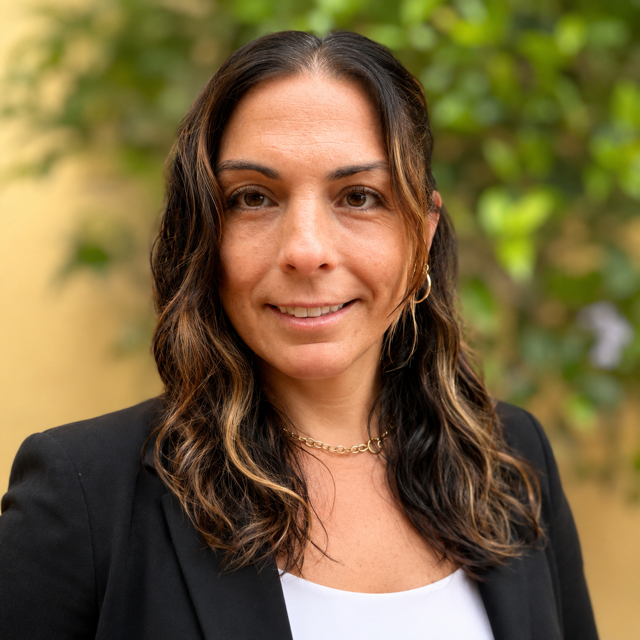

Therapist at Slate Psychology, providing neuroaffirming care to neurodivergent individuals and to the family members who support them.
Bachelor’s: Bachelor's in Sociology from Marymount Manhattan College
Master’s Degree: Master’s in Social Work from Fordham University, Master’s in Education from Mercy College
Doctoral Degree: Doctorate in Social Work from Barry University *In progress with projected completion in the summer of 2027
Clinical Internships: Jeanne completed her clinical internships at Laurel House in Stamford, CT, and Andrus Children’s Center in Westchester County, NY.
Work Experience: Jeanne has worked with youth and adults through public school settings and private mental health clinics. Serving as a specialized education teacher and licensed clinical social worker, Jeanne provides individuals with support through post-traumatic growth, life transitions, personal hardships, emotional challenges, and the navigation of complex systems. Jeanne has also supported autistic individuals and their families through the transition into adulthood, following the completion of high school. In addition to working at Slate Psychology, Jeanne continues to work with neurodivergent young adults in a local school district, supporting their transition from schooling to community-based resources. She focuses on engaging youth in self-determination skill and providing youth and families with emotional support through change. At present, Jeanne is also pursuing a doctorate in social work.


ABOUT JEANNE
I entered the field of mental health because when I was an adolescent, a social worker made a profound impact on my life, supporting me to navigate complex family dynamics where I often felt misunderstood. In addition to this, having grown up in a multicultural family (Colombian/Italian) that didn’t quite understand each other, I also felt that disconnection within me. As I grew, learning how to advocate for individuals who felt misunderstood or misrepresented became a focal point in my values, both personally and professionally; therefore, in college and graduate school, I became interested in working with autistic individuals and people with intellectual disabilities because I deeply wanted to help others who were forced to adapt and function in a world that is not quite designed for their diverse needs. The relationship between mental health and having to navigate in a world that does not fully embrace one’s uniqueness is something that has stayed at the top of my mind.
For the better part of 20 years, I have been dedicated to helping individuals make meaning of their hardships, navigate complex systems, self-advocate, name and process emotions, as well as gain skills to support healing. Throughout that time, it has always been my intention to support folks to learn their strengths and grow as their most authentic selves. Drawing from both professional expertise and lived experience, I intend to deliver a deeply compassionate, authentic, and trauma-informed approach to therapy. My work is grounded in the belief that healing becomes possible when people feel fully seen, understood, and accepted — especially those who have spent much of their lives feeling different, unseen, or disconnected.
I specialize in supporting neurodivergent individuals and their family members, trauma survivors, and people who have experienced exclusion due to family dynamics, culture, identity, or systems that failed to recognize their needs and humanity.
Utilizing a variety of approaches to meet the unique needs, strengths, and goals of the individual, my work incorporates Cognitive Behavioral Therapy (CBT), to support patients in working with unhelpful thought patterns and behaviors that may contribute to anxiety, depression, low self-esteem, or other challenges. I also integrate Dialectical Behavior Therapy (DBT), which allows for developing practical skills to support the management of intense emotions, improving relationships, distress tolerance, and incorporating mindfulness into daily life. Given my multicultural background and Spanish as a second language, I bring a bicultural awareness into the therapeutic space when indicated.
In addition, I incorporate somatic awareness, such as body awareness and breathwork, that recognize the connection between the mind and body. For individuals who benefit from creative expression, integrating expressive arts exploration, which may include art, writing, or other creative modalities, can help explore emotions, process experiences, and foster personal growth in ways that extend beyond traditional talk therapy.
Through these combined efforts, I aim to support folks through the navigation of interpersonal difficulties, anxiety, life transitions, mood disorders, relationships, self-image struggles, and learning how to thrive and/or survive in complex situations.
