
Dr. Carolina Frankini
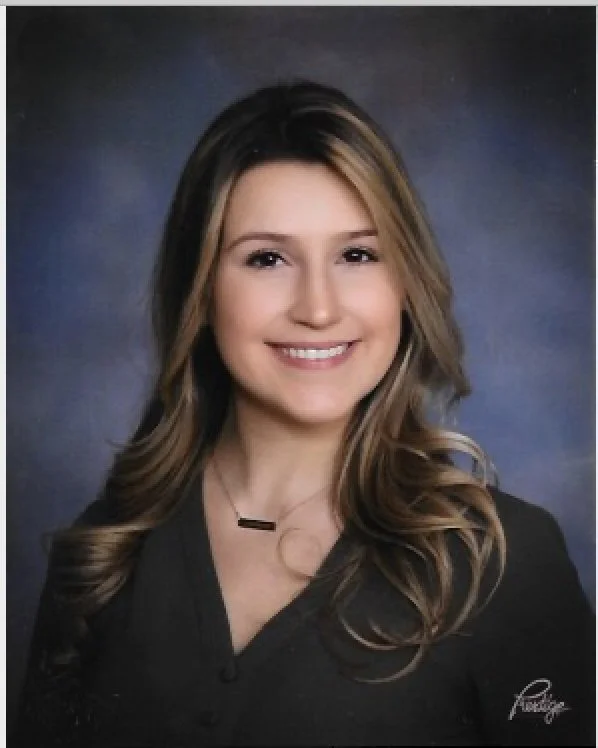

Postdoctoral fellow providing neuropsychological assessments and psychotherapy
Bachelor’s: Bachelor of Arts in Psychology at Binghamton University
Doctoral Degree: PhD in Clinical Psychology with a focus in Neuropsychology at Ferkauf Graduate School of Psychology, Yeshiva University
Internship: VA Connecticut Healthcare System


ABOUT CAROLINA
I’ve always been the kind of person who wants to know why. Why do people think the way they do? Why do we respond differently to the same situations? And why do our brains sometimes seem to have a mind of their own?
My interest in psychology started while watching crime documentaries as a teenager, because I was fascinated by the investigative process: noticing details, connecting information, and trying to understand the “why” behind a person’s behaviors. After exploring several career paths, I found Neuropsychology, a field that combines my love of problem-solving, curiosity about the brain, and desire to connect with people on a deeper level.
Throughout my clinical experience, I have had the opportunity to work with individuals navigating a wide range of challenges, including trauma, anxiety, ADHD, brain injuries, and dementia. Neuropsychological assessment feels like playing a detective and gathering clues to better understand the whole person and the “why” behind their challenges. A diagnosis is only one piece of the puzzle, but it’s understanding how these pieces fit together and what to do with that information that is most important.
The same curiosity that draws me to assessment also guides my therapeutic work. I bring my investigative mindset not to search for “who did it” or simply provide a diagnosis, but to explore the “why” behind your experiences.
I am particularly passionate about helping individuals navigate executive functioning challenges, whether that means struggling to get started on a task while staring at your screen begging yourself to start, feeling overwhelmed by to-do lists that keep getting misplaced, or wondering how it’s already 5 p.m. when you’ve somehow accomplished everything except the one thing you meant to do. These challenges are heightened for first responders who experience trauma, people with ADHD or autism, or neurological conditions such as epilepsy, concussions, and dementia.
Regardless of the underlying cause, these challenges often reflect a frustrating gap between knowing what you want or need to do and actually being able to do it. My goal is to guide you towards understanding the “why” behind your challenges, and work together to find strategies that work for you beyond just a to-do list or setting an alarm.
I take an integrative, individualized approach informed by Cognitive Behavioral Therapy (CBT), Motivational Interviewing (MI), Cognitive Remediation Therapy (CRT), and psychodynamic therapy to shift unhelpful thought patterns, find motivation for change, develop strategies to manage attention and organization, and understand how past experiences in your life are disrupting your functioning now.
Many people come to therapy seeking answers, and sometimes there isn’t always a clear or easy one. However, even when we don’t have all of the answers, there is still an opportunity to better understand yourself, gain self confidence in navigating challenges, and develop meaningful strategies to help you move forward.
